

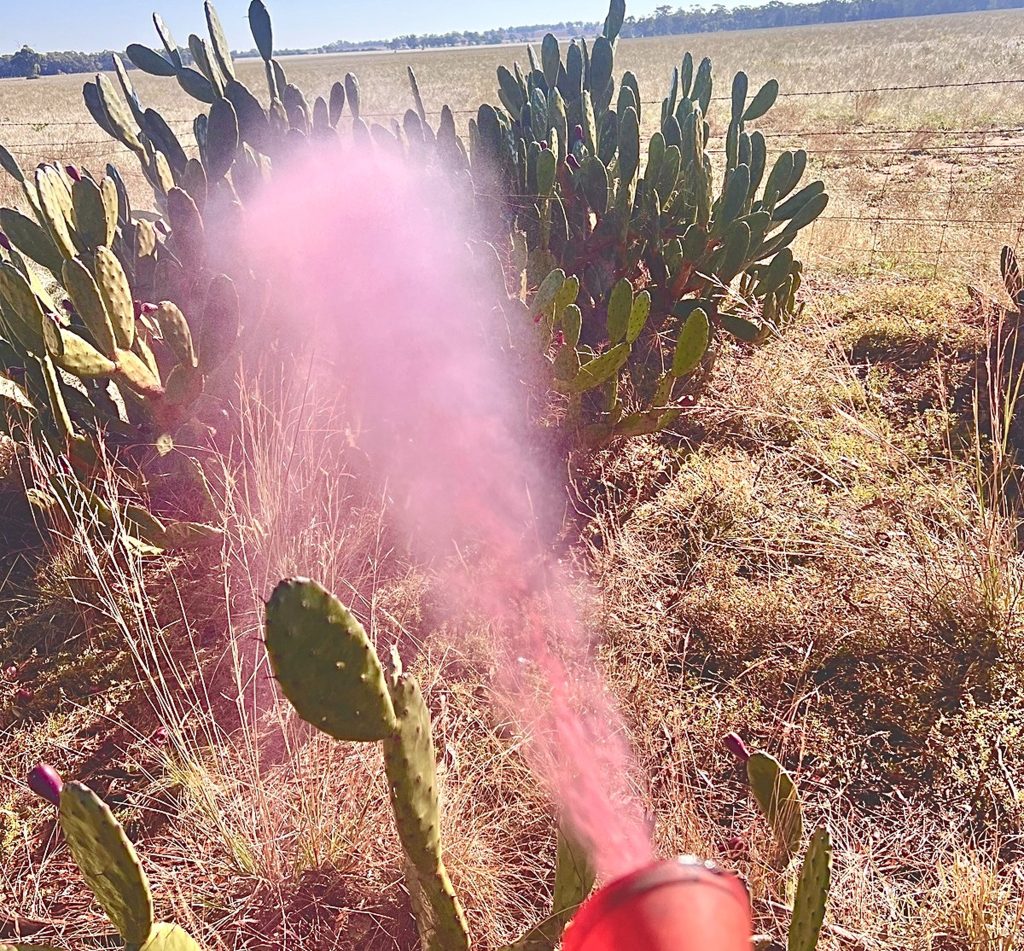
WHAT IS WHEEL CACTUS & PRICKLY PEAR?
Wheel cactus (Opuntia robusta) and other prickly pear species are highly invasive succulents that have become a serious problem across many parts of Australia. Originally introduced as ornamental plants and for use in fencing, these cacti quickly spread out of control, forming dense, spiny infestations that reduce biodiversity, limit land use, and are extremely difficult to manage without professional intervention.
WHY ARE THEY A PROBLEM?
- Invasive Growth
Wheel cactus and prickly pears spread rapidly via fallen pads that take root easily, allowing new plants to establish even in tough, dry environments. - Difficult to Eradicate
Their waxy coating and water-storing tissues make them resistant to many common herbicides and environmental stressors. - Reduces Land Productivity
Dense infestations block access to paddocks, interfere with mustering, and render large areas of land unusable for agriculture or grazing. - Harms Native Ecosystems
These plants outcompete native vegetation and provide habitat for invasive animals such as rabbits and foxes. - Dangerous Spines
Long, sharp spines can injure livestock, pets, and humans, and may become embedded in skin or eyes.
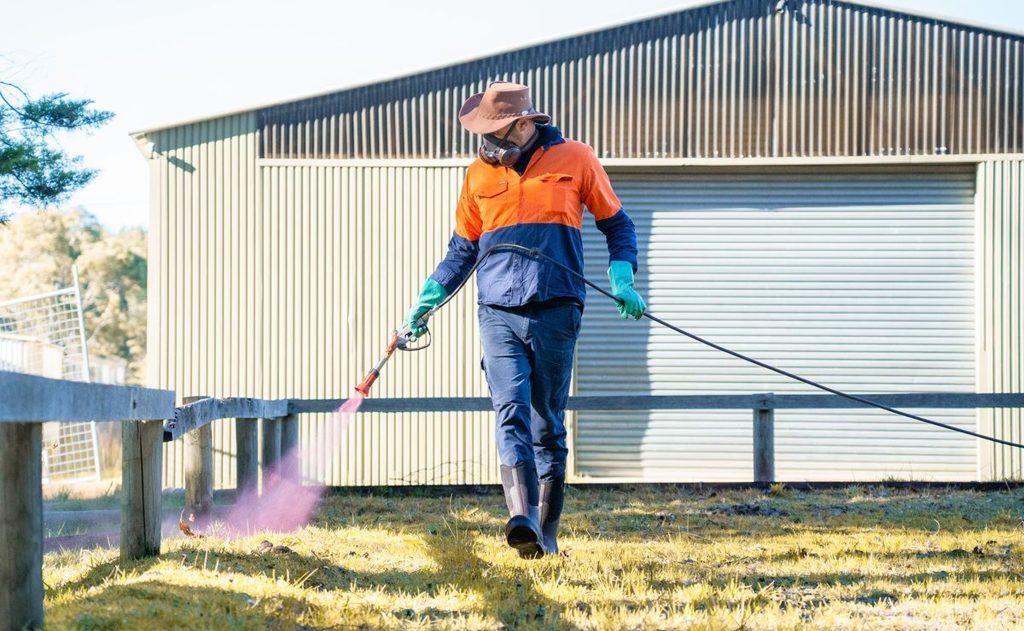
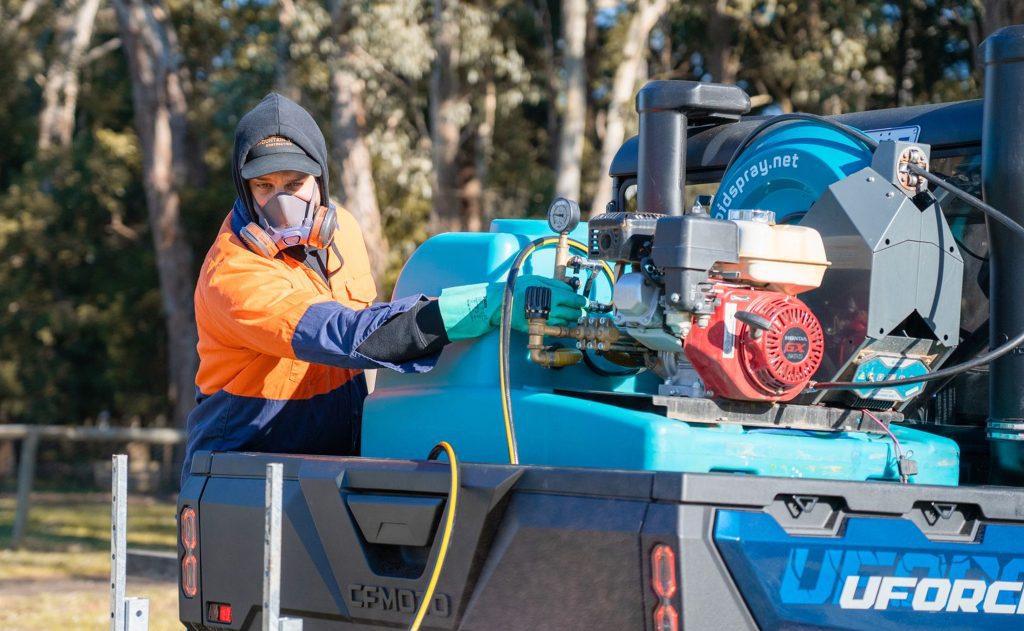
OUR WHEEL CACTUS & PRICKLY PEAR CONTROL SERVICES
Eradicating these species requires targeted methods and persistence. Our team provides integrated control solutions, including:
- Herbicide Injection & Spraying
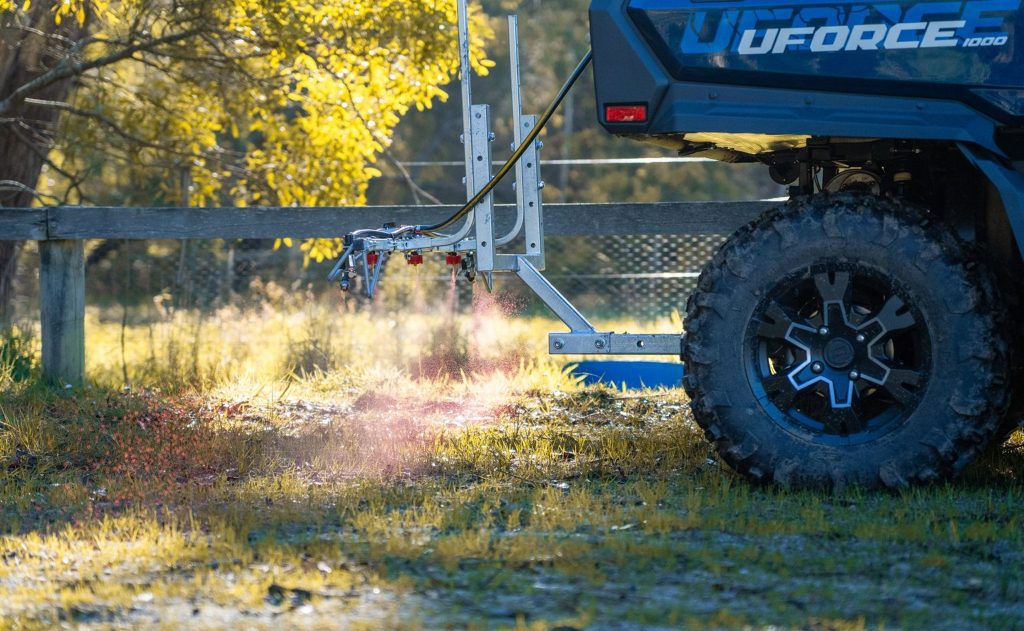
We use registered herbicides applied via stem injection, pad injection, or foliar spray, depending on plant size and density. - Mechanical Removal
In some cases, cacti can be physically removed or bulldozed. This is often combined with chemical follow-up to prevent regrowth from dropped pads. - Ongoing Site Monitoring
Regular follow-ups are essential to remove new growth and manage seedlings or pads that re-establish after initial treatment.
ADVANTAGES OF OUR APPROACH
- Specialised Techniques
We use proven cactus-specific methods that penetrate waxy skin and root systems for more effective treatment. - Minimises Environmental Damage
Treatments are targeted to reduce impact on surrounding plants, soil, and wildlife. - Improves Land Usability
Removing cactus infestations opens up land for grazing, cropping, or native revegetation. - Reduces Injury Risk
Clearing spiny cacti helps protect livestock, working dogs, and property users from injury. - Supports Long-Term Control
Our programs include follow-up treatments and integrated strategies to prevent reinfestation.
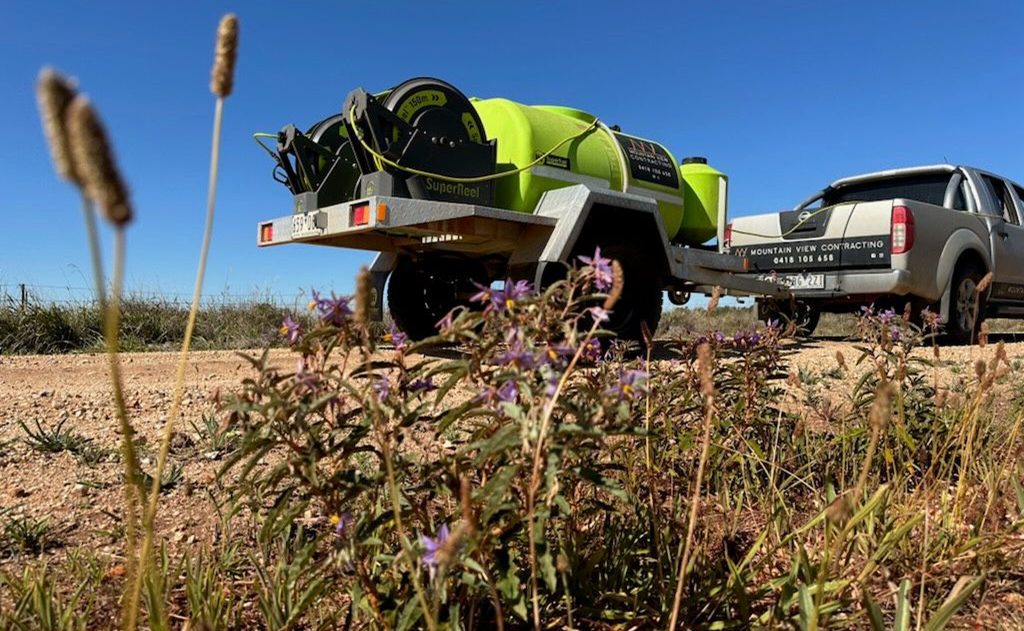
WHEN IS THE BEST TIME FOR CONTROL?
The best time to control wheel cactus and prickly pear is during active growth in warmer months, typically from late spring through early autumn. Treatments are more effective when the plant is not stressed and can absorb herbicides more efficiently. Early intervention, before plants mature and drop pads, significantly reduces spread.
MORE RESOURCES