

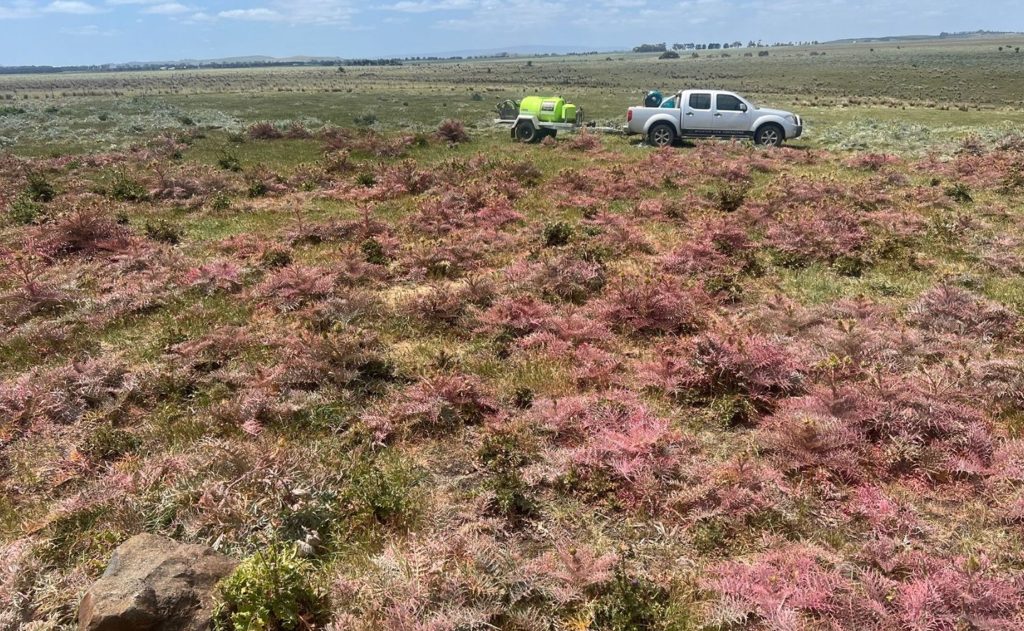
WHAT IS THISTLE?
Thistles are a widespread and persistent group of weeds that affect pastures, roadsides, and disturbed land across Australia. Known for their sharp spines and aggressive growth, thistles compete with desirable vegetation, reduce pasture productivity, and can be difficult to manage once established. Several species, including spear thistle (Cirsium vulgare), nodding thistle (Carduus nutans), and scotch thistle (Onopordum acanthium), are declared noxious in many parts of the country.
WHY IS THISTLE A PROBLEM?
- Pasture Competition
Thistles outcompete grasses and legumes, reducing grazing availability and lowering pasture quality. - Livestock Deterrent
Their spiny leaves and stems make them unpalatable to livestock, often leaving large areas underutilised. - Prolific Seeding
One mature thistle can produce thousands of seeds that remain viable in the soil for years, making infestations hard to eradicate. - Hard to Manage Mechanically
Thistles can quickly regrow from root fragments or crown buds if not fully removed, especially in wet conditions.
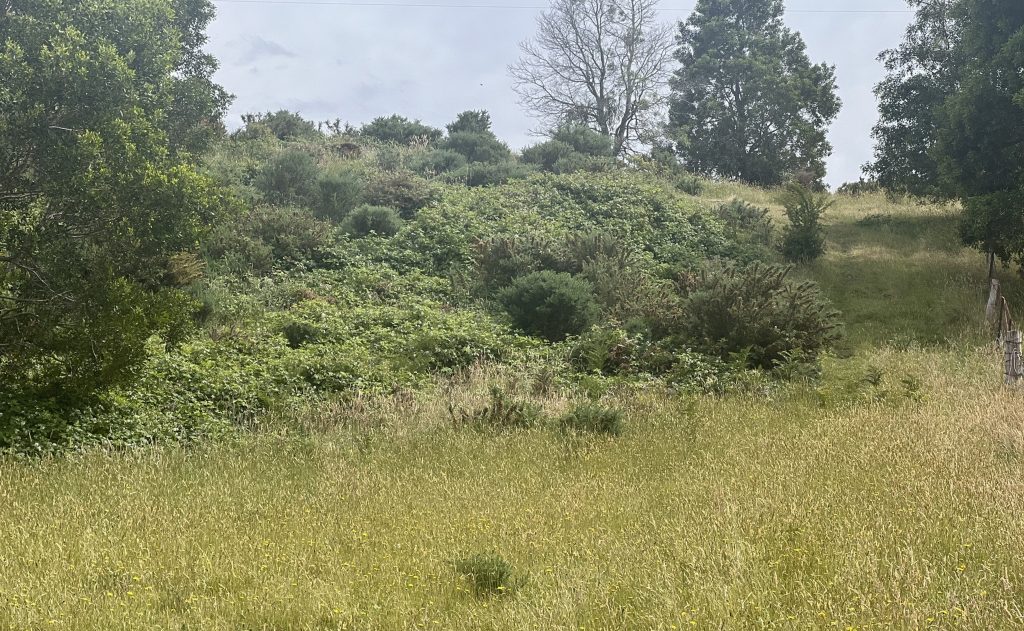
OUR THISTLE CONTROL SERVICES
Controlling thistles requires strategic timing and the right combination of treatment methods. We offer a range of tailored services for effective management:
- Spot and Broadacre Spraying
We apply selective herbicides suited to specific thistle species, minimising damage to surrounding pasture while ensuring thorough coverage. - Pasture Maintenance Programs
Ongoing spraying during key growth windows—especially at the rosette stage—helps prevent flowering and seed set. - Mechanical Slashing
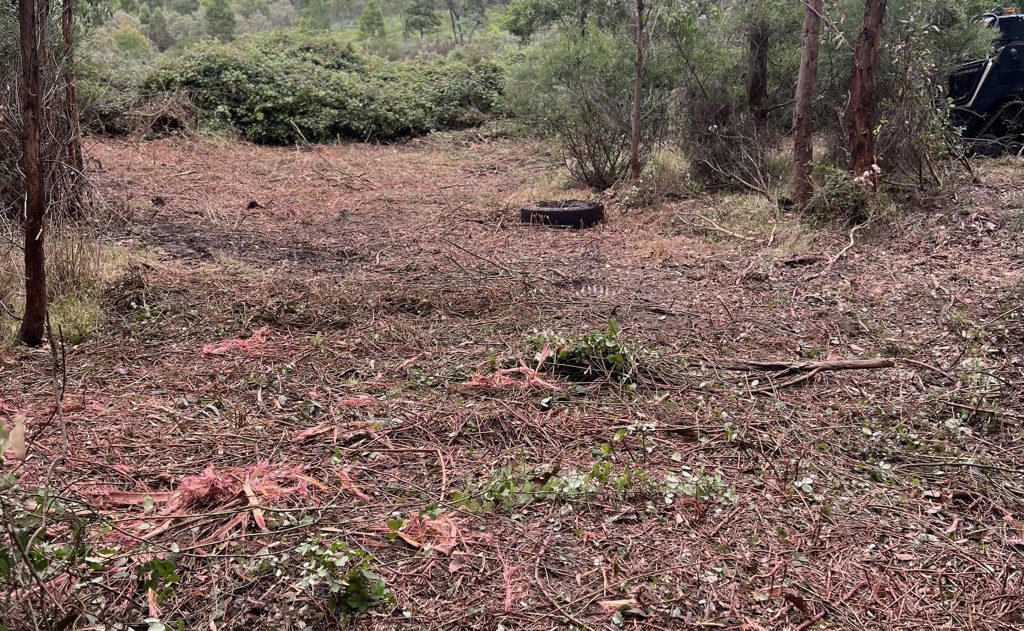
While not a long-term solution, slashing can reduce height and visibility during peak flowering to minimise spread before chemical follow-up. - Integrated Weed Management Plans
We combine spraying, slashing, and pasture improvement practices to support long-term thistle suppression.
ADVANTAGES OF OUR APPROACH
- Targeted Chemical Application
Our use of species-specific herbicides maximises control effectiveness while protecting pasture health. - Prevents Future Spread
Early intervention stops seed production and depletes the soil seed bank over time. - Improves Grazing Value
Removing thistles improves paddock usability and increases available feed for livestock. - Tailored Timing
We time treatments based on local seasonal conditions and thistle growth stages for optimal results. - Experienced Operators
Our team knows how to distinguish thistle species and apply the most appropriate control method for each.
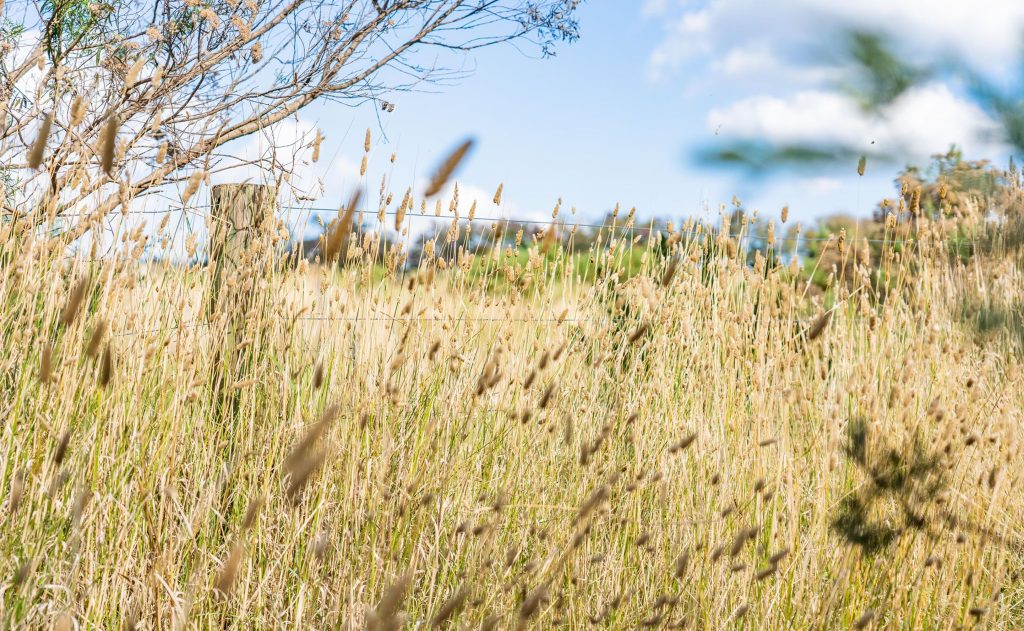
WHEN IS THE BEST TIME FOR CONTROL?
Thistles are most vulnerable during the rosette stage, before they bolt or flower—typically in late winter through early spring, depending on the species and location. Timely spraying at this stage significantly improves control outcomes and reduces the chance of re-infestation. Regular monitoring and follow-up across multiple seasons are key to long-term suppression.
MORE RESOURCES